

Landscape Code
Consultation has concluded
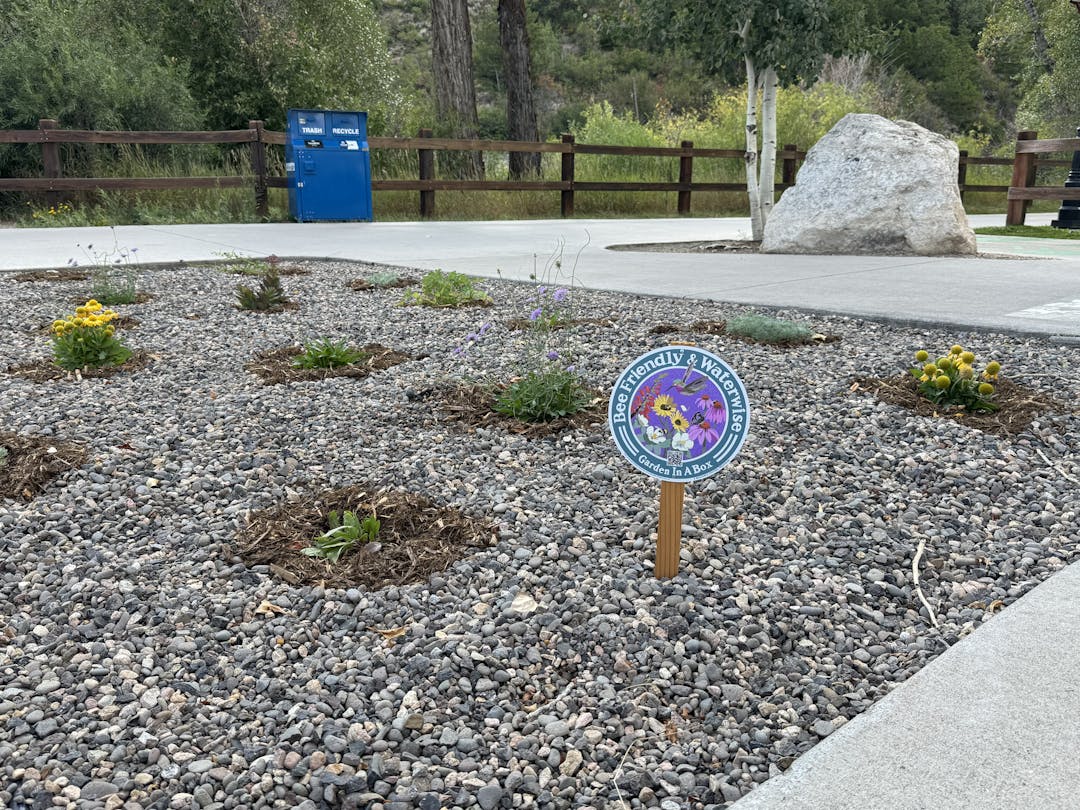
The City of Steamboat Springs has adopted several long-range plans in recent years—including the Climate Action Plan, Water Conservation Plan, Critical Watershed Wildfire Protection Plan, and Hazard Mitigation Plan—to advance community sustainability and resiliency goals. Together, these plans call for a multi-pronged approach that includes updated development standards and practices to support land management, water conservation, watershed health, and hazard risk reduction.
To support the development of new landscaping requirements, the city contracted with Code Studio and Norris Design, and received additional technical assistance from the Northwest Colorado Council of Governments (NCCOG) Water Quality/Quantity Committee and Community Planning Assistance for Wildfire (CPAW)/Headwaters Economics. These partners bring specialized expertise on how landscaping regulations can reduce water use while also lowering wildfire risk.
Based on this work, City Planning—working in consultation with key stakeholders—is recommending updates to the city’s landscape code and related sections of the Community Development Code. The goals of these updates are to:
- Improve overall readability and usability
- Strengthen resiliency through water conservation and wildfire protection
- Provide an updated, climate-appropriate plant list
- Support implementation of the City’s long-range plans
- Ensure alignment with applicable state laws and guidance, including:
-
Plant List
Share Plant List on Facebook Share Plant List on X (formerly Twitter) Share Plant List on Linkedin Email Plant List link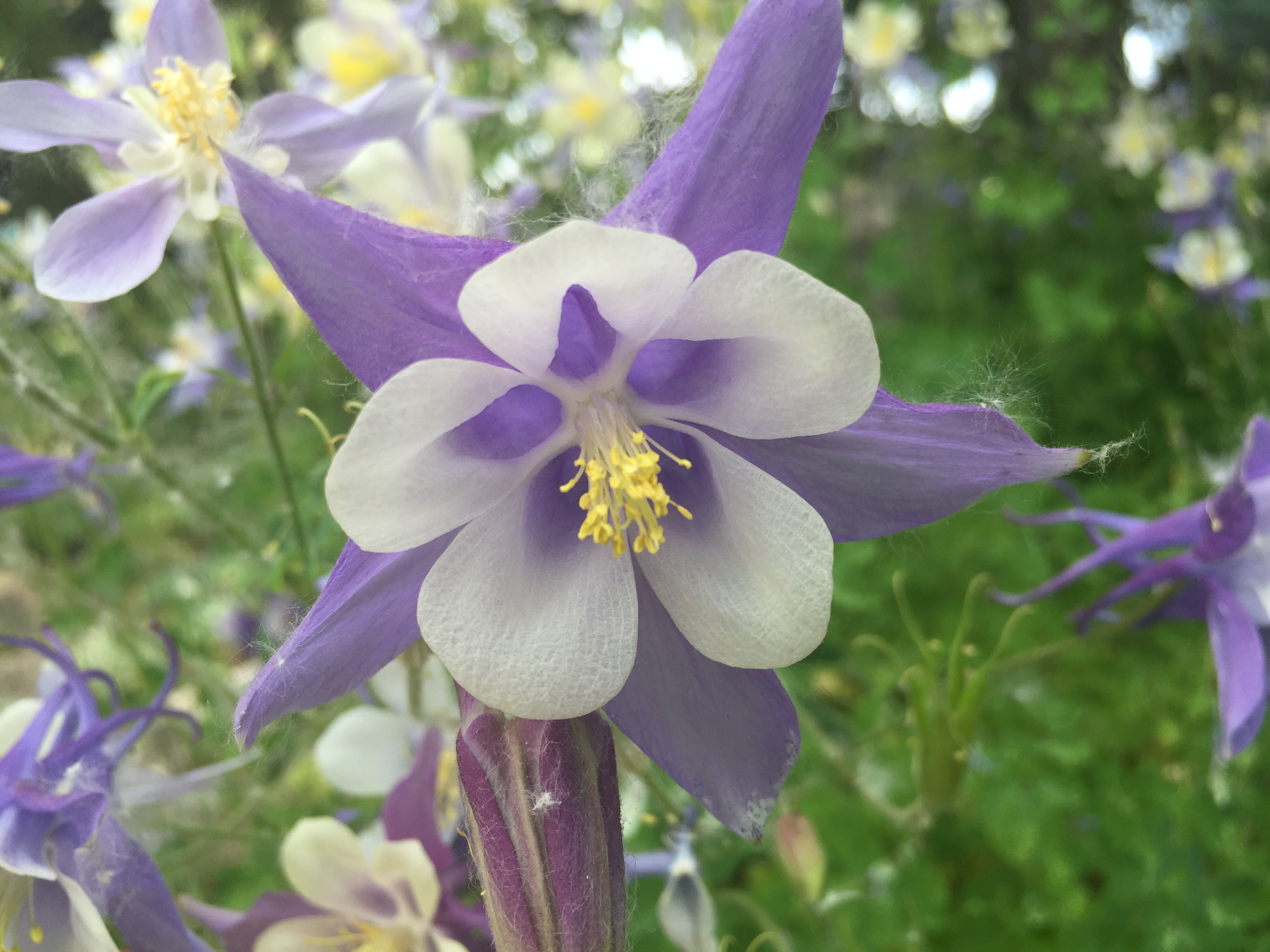 Consultation has concluded
This non-exclusive list of plant materials is intended to enhance the Yampa Valley and Rocky Mountain regional plant character of Steamboat Springs. Included plants are adapted and suitable for our high-altitude climate and will provide diversity to support the local ecology and ecosystem services.
This Plant List is not intended to be an exhaustive list. Alternative plant materials may be approved by the Planning Director, provided they are consistent with the desired landscape character and all other applicable standards. Alternative plant materials shall be evaluated through the development review process and shall not require a variance. Plant material shall be regionally sourced to ensure viability throughout the life of the plant.
-
Comments and Questions
Share Comments and Questions on Facebook Share Comments and Questions on X (formerly Twitter) Share Comments and Questions on Linkedin Email Comments and Questions link Consultation has concluded
Public comment may be provided at the Planning Commission and City Council public hearings or ahead of the hearings via email at the email addresses below. In addition questions or further understanding of the proposed changes can be emailed to Development Review Manager Bob Keenan.
Official Comment for the Public Record
Questions on the Proposed Changes

-

Phone 970-871-8260 Email bkeenan@steamboatsprings.net